The British Weather vs Your Front Door: Outdoor Ribbon That Holds Its Own This Winter
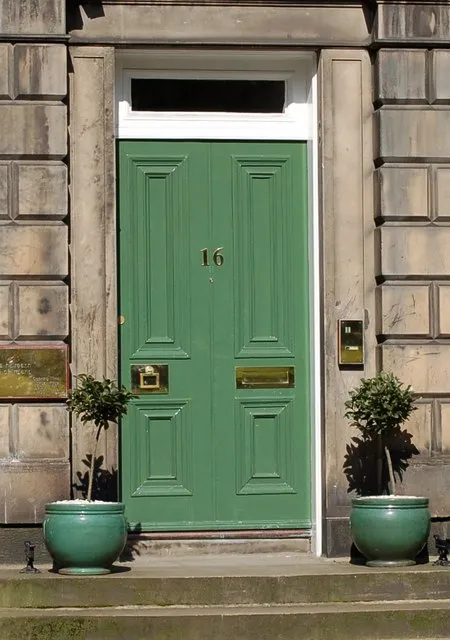
Photo: Paul McIlroy, CC BY-SA 2.0, via Wikimedia Commons
There is something quietly lovely about a front door that has made an effort. A wreath, a fat bow, a ribbon looping along the porch rail — it says welcome before anyone has knocked. But a British winter is not a gentle styling assistant. It will test your ribbon with drizzle, sideways rain, a sharp frost and a gust that arrives exactly when you are carrying shopping. The good news is that outdoor ribbon displays can absolutely survive winter 2026. They just need a bit of practical thinking before you reach for the prettiest spool on the shelf.
Start with the right ribbon, not just the right colour
Indoor ribbon and outdoor ribbon are doing different jobs. Paper-backed ribbon, delicate cotton and anything with a soft, matte finish that drinks water should stay inside. Outdoors, look for polyester grosgrain, woven polyester, nylon sheers for sheltered spots, and florist-grade ribbons designed to cope with damp. Polyester grosgrain is the reliable workhorse: it holds a knot, resists a bit of rain and comes in every colour from deep berry to forest green.
Width matters too. A 38mm to 50mm grosgrain makes a generous bow on a wreath without looking floppy. For porch rails, 50mm or wider gives you presence from the pavement. For a small door knocker or a planter handle, 10mm to 15mm is plenty. If you want velvet, choose a short-pile polyester velvet and accept that it is a fair-weather friend — beautiful on a dry, cold day, less so in a downpour. Wire-edged ribbon is brilliant for holding bow loops in wind, but check that the wire is coated so it does not rust and stain the fabric.
Natural materials need a reality check. Jute and hessian look wonderfully rustic, but they shed, absorb water and can mark pale paintwork. Use them in a sheltered porch or accept that they will change character. Cotton ribbon fades. Metallic finishes can tarnish. None of this means avoid them completely; it simply means match the ribbon to the exposure. A covered porch is a kinder environment than a exposed coastal doorstep.
Tie a bow that can take a gust
A beautiful bow is only useful if it is still a bow after the wind has had a go. Start with a double knot at the back, pulled firm. Then make your loops and tie them off with a second tight knot before you fluff anything out. Long, trailing tails look romantic in photographs but act like sails in real weather. Shorter tails, or tails weighted with a small stitch or a discreet clip, behave much better.
For wreaths, do not rely on the ribbon alone to hold the whole thing to the door. Thread a cable tie or a purpose-made wreath hanger through the wreath frame, then use the ribbon as decoration. If you are tying a bow around a porch rail, use two hidden cable ties to anchor the ribbon to the rail first, then tie the decorative bow over the top. This spreads the load and stops the bow from sliding along the rail in wind.
A layered bow — a wide base ribbon with a narrower ribbon on top — looks generous and traps air, which helps it keep its shape. Just keep the layers tied separately so you can replace one without undoing the whole thing. And always give the door a test close before you walk away. A bow that catches on the latch is a bow that will be pulled apart by teatime.
Fix it without wrecking the paintwork
The best outdoor fixings are the ones you already have. A wreath hanger over the top of the door is simple and kind to paint. Ribbon loops around a metal porch rail or planter handle need no adhesive at all. For glass, a clean suction cup can work well if the surface is free of grime and the weather is not freezing. Removable adhesive hooks can be useful on smooth, sealed surfaces, but read the outdoor rating and follow the instructions about temperature and curing time.
Be cautious with painted wood, uPVC doors and older properties. Adhesive can pull at paint, and drilling is rarely welcome on a rented or listed home. If you need to attach a bow to brick, use a tension rod across a recess or tie around an existing fixture rather than sticking anything to the masonry. Avoid hanging anything from a working letterbox, and keep ribbons clear of door seals, locks and hinges. A doorstep display should never make the postman's job harder.
The morning-after refresh
After a storm, resist the urge to tug at a wet bow. Untie it gently, blot it with a towel and reshape the loops while it is still damp. Let it dry flat, away from direct heat, rather than draping it over a radiator where it can crease. If the ribbon has picked up dirt, check the care label first; many polyester ribbons will tolerate a cool hand wash, but wire-edged ribbons and glued layers will not.
Keep a spare bow indoors so you can swap it in quickly when the weather has been unkind. A fresh bow in a contrasting colour can make the whole door look new again without buying a new wreath. Rotate your display too: bring the wreath inside for a day to dry out, then rehang it. Small changes keep an outdoor ribbon scheme looking intentional rather than battered.
A simple formula for winter 2026
Choose three textures and two widths. For example: wide deep-red grosgrain, a narrower tartan ribbon and a frosted faux-eucalyptus wreath. Or plum velvet, copper wire-edge ribbon and a simple evergreen garland. Keep the palette tight and let the ribbon do the talking. Measure your door before you buy, photograph the finished display in daylight, and check it from the pavement as well as from the hallway.
Outdoor ribbon is never completely invincible, and it does not need to be. A little weather in the fabric is part of the charm. With the right ribbon, a sensible knot and a fixing that respects your paintwork, your doorstep can look cheerful all winter — even when the British weather is doing its very best to rearrange it.