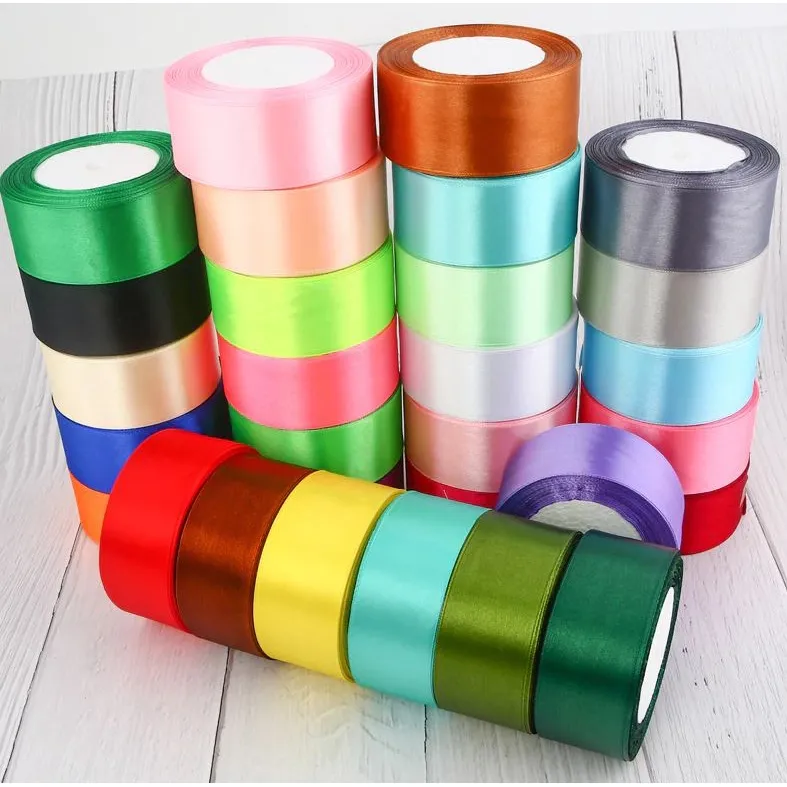
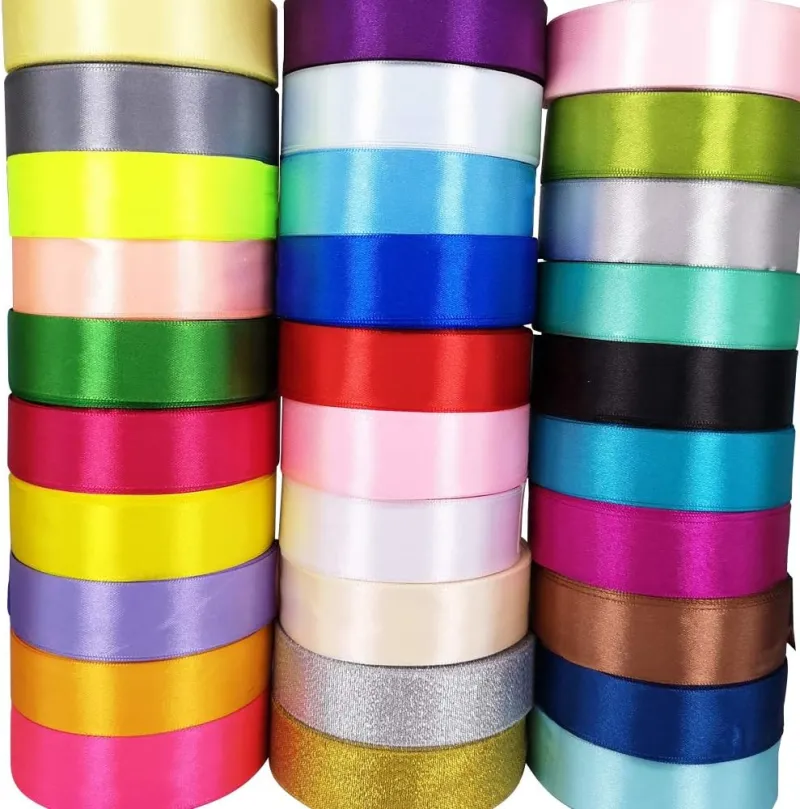
Ten Clever Ribbon Fixes for a UK Home (No Wrapping Paper Required)

Photo: Burr McIntosh, Public domain, via Wikimedia Commons
Ribbon is brilliant at making presents look expensive. But it is also quietly useful in all sorts of everyday places — the kind of small fixes that make a home feel tidier and a bit more put-together. The best bit? Most of these ideas take minutes, cost very little and use up those shorter lengths from your stash.
Here are ten cheerful ways to put ribbon to work around a UK home, with no gift wrap in sight.
1. Curtain tiebacks that actually stay put
A length of 25–50mm cotton or grosgrain ribbon makes a simple tieback for lightweight curtains. Loop it around the curtain, gather the fabric gently and tie a loose bow or knot at the back. Cotton and grosgrain hold their shape better than satin, which can slip. Choose a colour that picks up a shade in the room rather than matching the curtains exactly — it looks more considered.
2. Jar labels with a bit of charm
Those plain storage jars in the kitchen cupboard? A 6–10mm cotton or satin ribbon tied around the neck, with a small handwritten tag, turns lentils and pasta into something worth looking at. Use a fine-liner or a chalk pen on card, punch a hole and thread it on. Keep the ribbon short so it does not trail into the washing-up water.
3. Hanging loops for decorations
Not every decoration comes with a hanger. A 10–15mm grosgrain ribbon loop, glued or stitched to the back of a wooden heart or ceramic ornament, is much stronger than thread. Grosgrain and cotton are the best choices here; satin can be too slippery for heavier pieces. Use a small dot of strong craft glue and let it cure fully before hanging.
4. Napkin rings for everyday suppers
You do not need a formal dinner to make the table look nice. Cut 20–25cm lengths of 15–25mm ribbon, wrap each around a rolled napkin and tie a simple knot. Grosgrain is ideal because it grips the fabric. Reuse the same ribbons for Sunday lunch, birthday teas and casual midweek meals — just loosen the knot and slide them off.
5. Cable tidies that keep things neat
Behind the telly or under the desk, a tangle of cables is a universal UK home problem. Wrap a 10–15mm grosgrain ribbon around a coiled cable and tie it in a loose bow. Do not use ribbon near anything that gets hot, and never wrap it around a plug or socket. For a more permanent tidy, stitch a small press-stud to the ribbon ends.
6. Soft plant ties for houseplants
Houseplants often need a little support, but wire ties can damage stems. A 10–20mm cotton or jute ribbon makes a soft, flexible tie for a tomato plant, a climbing ivy or a leggy fern. Tie loosely in a figure of eight around the stem and support, leaving room for growth. Jute is sturdy and looks lovely against terracotta pots.
7. A wreath hanger that saves the door
If you hang a wreath on the front door, a strong ribbon loop is kinder to paintwork than a metal hook. Use a 25mm cotton or grosgrain ribbon, fold it into a loop and pin or stitch it to the back of the wreath. Hang the loop over the top of the door. Check the weight first — a heavy wreath needs a proper door hanger, not just ribbon.
8. Lampshade trim for a quick refresh
A plain drum lampshade can be lifted with a narrow band of ribbon around the top or bottom edge. Use 10–15mm grosgrain or cotton and attach it with a thin line of craft glue or double-sided tape made for fabric. Keep the ribbon away from the bulb and fitting, and never cover ventilation holes. It is a five-minute update that makes a room feel more finished.
9. Laundry and linen labels
Airing cupboard shelves can turn into a jumble of mismatched sheets. Tie a short length of 6–10mm ribbon around a folded set and add a small tag saying “double”, “king” or “guest room”. Cotton ribbon is washable and hard-wearing. For a simpler version, just use different coloured ribbons for different bed sizes — no writing required.
10. A hanging loop for tea towels
If your tea towel keeps sliding off the oven handle, stitch a small loop of 10mm cotton ribbon to one corner. It takes about two minutes on a sewing machine, or you can hand-sew it while the kettle boils. Cotton is best because it can be washed and dried without losing its shape. Choose a colour that makes you smile every time you reach for it.
A few sensible ribbon rules
Use strong, woven ribbons for anything that bears weight, and keep satin for decorative jobs where slip does not matter. Always test glue on a scrap first. Keep ribbon away from heat sources, sockets and anything electrical. And if a length is looking tired, give it a quick steam before you tie it — a little care makes even a humble jar label look intentional.
Ribbon is one of those lovely craft supplies that rewards a bit of lateral thinking. So next time you are tidying the stash, keep a few short lengths aside. Your curtains, cables and houseplants might thank you.