Knots, Boxes and Postage: Getting Ribbon-Tied Parcels Safely Through the UK Mail
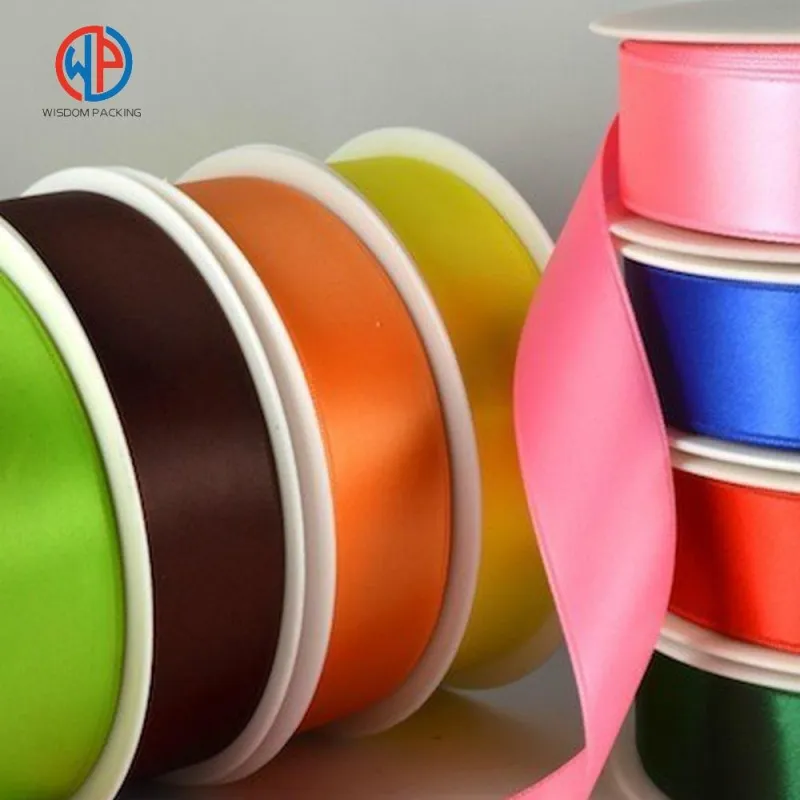
Photo: ribbon tied kraft paper parcel on kitchen scale postal, via img.diytrade.com
Ribbon-tied parcels are a joy to send and a nuisance to post if the bow has other ideas. A trailing tail can catch in sorting machinery, a fat loop can push a large letter into a small parcel price band, and a paper raffia bow can droop in a British November drizzle. The good news is that pretty and postable are not opposites. With a few kitchen-table checks and a calmer bow style, your ribbon-wrapped gift can arrive looking like a gift rather than a casualty. Here is the Ribbon Warehouse guide to getting ribbon parcels through the UK postal system in 2026 without a counter-queue argument.
Start with the postal shape, not the ribbon
Royal Mail and Parcelforce price by size and weight, not by how lovely the bow looks. Letter and large letter limits are based on length, width and thickness, while parcels are measured across their outside dimensions. Anything that protrudes — a loop, a knot, a sprig of dried lavender — counts as part of the parcel. There is no separate bow allowance. If you are sending a large letter, a 2.5cm-thick bow can be the difference between a large letter and a small parcel; if you are sending a parcel, a bow can push you into the next size band or make the parcel awkward to handle.
Before you queue, check the current Royal Mail price guide and Parcelforce size limits for the service you plan to use. The rules and prices change, and the counter team will measure the parcel as it is, not as you hoped it would be.
The kitchen-table post office test
You do not need a Post Office counter to avoid a queue-time surprise. Run these six checks at home.
- The size-gauge check. Draw a 35.3cm by 25cm rectangle on a piece of card and cut a 2.5cm slot in another. If the parcel slides through the slot and fits the rectangle, it may still qualify as a large letter — but only if it is within the weight limit and not too lumpy. For parcels, use a tape measure and check length, width and depth, bow included.
- The kitchen-scale check. Weigh the parcel before and after wrapping. Ribbon, paper, tape and a box add up faster than you think.
- The shake test. Give the parcel a gentle shake. If the contents move, pad them. A sloshing parcel is more likely to crush a bow from the inside.
- The drop test. Hold the parcel about 30cm above a carpeted floor and let it drop gently. If a knot slips or a loop flops, the sorting office will finish the job.
- The drizzle test. Spritz a spare length of ribbon with water and leave it for ten minutes. Paper raffia and cotton tape will soften; polyester grosgrain will shrug it off.
- The address check. Make sure the ribbon does not cross the address label, barcode or stamps. A barcode hidden under a bow is a parcel that will take the scenic route.
Bow styles that survive the sorting office
A postal bow should be low-profile, firmly anchored and slightly boring in the best way. Think less gift-shop showstopper, more tidy parcel knot.
- The flat parcel knot. Tie the ribbon around the box itself, not just around the paper, so it cannot slide. Trim the tails to 5cm and tuck them under the knot.
- The tucked-tail bow. Make two small loops, knot them close to the box, then tuck the tails under the ribbon rather than letting them trail. This is the one to choose for Royal Mail parcels.
- The low double-loop. Two loops, no long tails, a dab of PVA or a glue dot under the knot. It looks neat and gives sorting machinery very little to grab.
- The ribbon-under-paper trick. If you want the ribbon to look immaculate on arrival, tie it around the box, then wrap the parcel in paper and add a flat ribbon band on top. The structural ribbon does the work; the decorative one stays flat.
Skip the wired mega-bow for posted parcels. Wired edges can poke through paper, loose glitter sheds, and a bow that stands 4cm proud of the box is asking for trouble. If you want drama, save it for hand-delivered gifts.
Choose a ribbon that can take a British November
There is no single perfect postal ribbon. The right choice depends on whether you prioritise recyclability, weather resistance or a colour you cannot resist.
- Paper raffia is lightweight, recyclable and lovely in a natural, Scandi-style wrap. It is not weatherproof. Use it for parcels that will be hand-delivered or protected inside a weatherproof outer bag.
- Cotton tape is soft, reusable and widely recyclable. It can absorb water in a downpour, so keep it for dry days or short journeys.
- Jute twine is strong and natural, but it can be scratchy. Keep it away from delicate paper and use a simple knot rather than a fluffy bow.
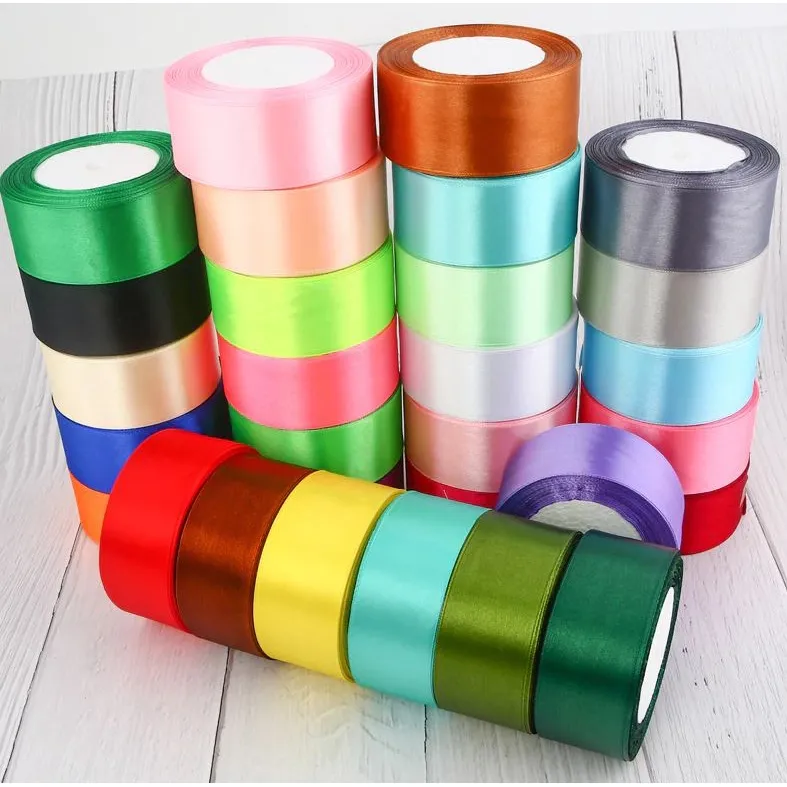
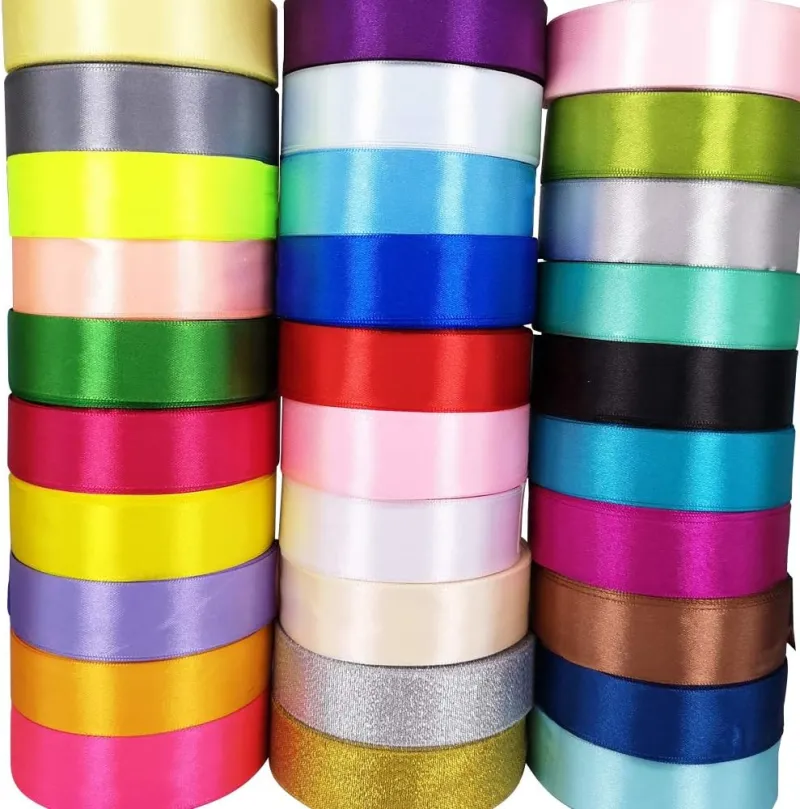
- Polyester grosgrain or satin is the practical choice for wet-weather posting. It is strong, holds a knot and resists a drizzle. Check local recycling rules, as synthetic ribbon is not usually kerbside recyclable.
- Avoid loose glitter and metallic shred if you want a tidy, recyclable parcel. They shed, cling and make a mess of the sorting office — and of your recipient's carpet.
If you are sending a gift in December, a ribbon that survives rain matters more than a ribbon that matches the wrapping paper exactly. A slightly simpler bow in a weatherproof ribbon will look better on arrival than a perfect paper bow that has gone limp.
Royal Mail or Parcelforce?
For most small gifts, Royal Mail is the natural first stop. For larger or heavier parcels, Parcelforce may be the better fit. Both will measure the outside of the parcel, including bows, and both will weigh it as presented. Keep your receipt and tracking number, and take a photo of the parcel before it disappears behind the counter. If you are selling, a quick photo also helps if a customer asks about the condition on arrival.
The queue-ready checklist
Before you leave the house: measure the parcel with the bow on, weigh it, check the address is clear, tuck or trim loose tails, and give the bow a gentle tug. If it moves, fix it. If it sheds, change it. If it is more than 2.5cm thick and you are sending it as a large letter, consider a flatter bow or a parcel service instead.
Pretty parcels can pass the Post Office test. They just need a ribbon that behaves, a bow that sits close and a sender who has done the kitchen-table checks first.